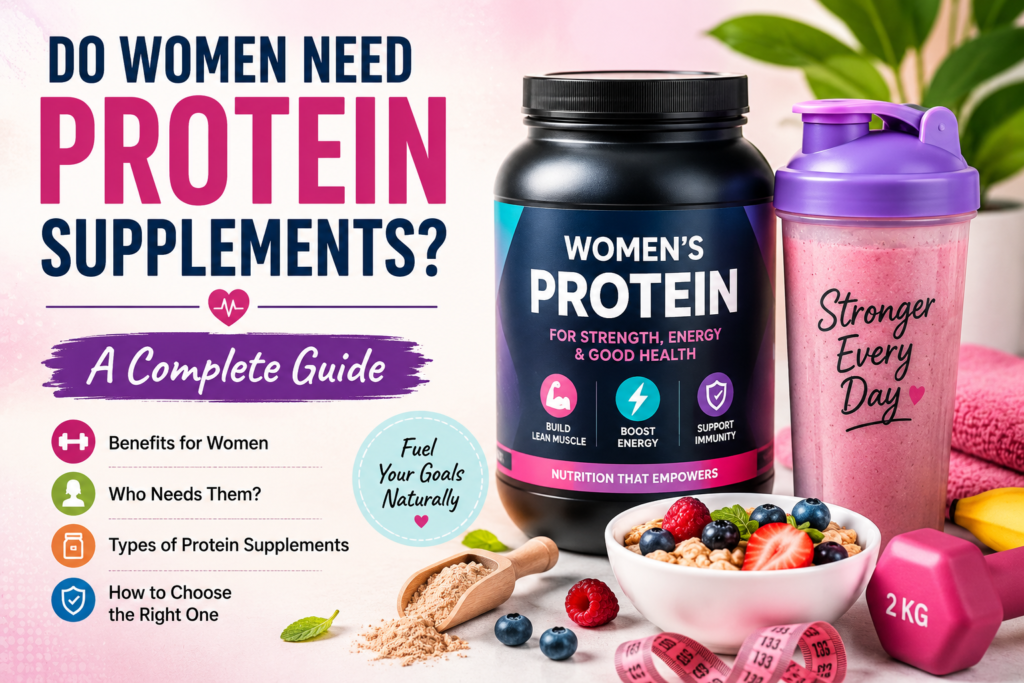
Do Women Need Protein Supplements? A Complete Guide
Protein supplements for women have become increasingly popular as more women focus on improving their health, fitness, and overall well-being. From weight management to muscle recovery, protein plays an important role in supporting the body. But does every woman need a protein supplement, or can whole foods provide enough nutrition? This guide explains when protein supplements may be beneficial, who might need them, and how to choose the right option for your lifestyle.
Why Is Protein Important for Women?
Protein is one of the three essential macronutrients alongside carbohydrates and fats. It plays a crucial role in maintaining overall health.
Protein helps:
- Build and repair muscles
- Support healthy bones
- Produce hormones and enzymes
- Strengthen the immune system
- Promote healthy skin, hair, and nails
- Keep you full for longer
Unlike some nutrients that the body can store, protein needs to be consumed regularly through diet.
How Much Protein Do Women Need Per Day?
Protein requirements vary depending on age, body weight, and activity levels.
General recommendations:
Sedentary women
0.8 grams of protein per kilogram of body weight daily.
Active women
1.2 to 1.6 grams per kilogram daily.
Women doing strength training
1.6 to 2.0 grams per kilogram daily.
Example:
A woman weighing 60 kilograms may need:
- 48 grams daily if sedentary
- 72 to 96 grams daily if active
- Up to 120 grams daily if regularly strength training
These numbers can increase during pregnancy, breastfeeding, or certain medical conditions.
What Are Protein Supplements?
Protein supplements for women are concentrated sources of protein designed to help meet daily nutritional requirements.
Common types include:
Whey Protein
Made from milk and absorbed quickly by the body.
Best for:
- Post-workout recovery
- Muscle building
Casein Protein
A slow-digesting milk protein.
Best for:
- Overnight muscle recovery
- Long-lasting fullness
Plant-Based Protein
Derived from sources such as:
- Peas
- Brown rice
- Soy
- Hemp
Best for:
- Vegans
- Women with dairy intolerance
Collagen Protein
Supports:
- Skin elasticity
- Joint health
- Hair and nail strength
Each option serves different purposes depending on individual goals.
Do All Women Need Protein Supplements?
The simple answer is no.
Many women can meet their protein needs through whole foods.
Protein-rich foods include:
- Eggs
- Greek yogurt
- Milk
- Paneer
- Chicken
- Fish
- Lentils
- Beans
- Tofu
- Nuts and seeds
However, some women may find it difficult to consume enough protein daily.
This is where protein supplements for women can become a practical option.
Who May Benefit from Protein Supplements?
1. Women with Busy Schedules
Skipping meals or relying on convenience foods may reduce overall protein intake.
A protein shake can be a quick alternative.
2. Women Trying to Lose Weight
Protein helps increase satiety and may reduce unnecessary snacking.
Higher protein intake can help preserve muscle mass while losing body fat.
3. Women Who Exercise Regularly
Strength training increases protein requirements.
Protein supports muscle recovery after workouts.
4. Vegetarian and Vegan Women
Plant-based diets can sometimes make it challenging to meet protein targets.
Supplements can help bridge nutritional gaps.
5. Women Over 40
As women age, muscle mass naturally declines.
Increasing protein intake may help preserve strength and support healthy aging.
Signs You May Not Be Getting Enough Protein
Common signs include:
- Constant hunger
- Frequent fatigue
- Slow muscle recovery
- Hair thinning
- Brittle nails
- Reduced strength
These symptoms do not automatically mean you need supplements, but they may indicate the need to review your diet.
Can Protein Supplements Help with Weight Loss?
Protein supplements are not magic weight-loss products.
However, they may support weight management when combined with healthy habits.
Benefits include:
Better Appetite Control
Protein keeps you full for longer periods.
Muscle Preservation
During calorie deficits, adequate protein helps maintain lean muscle mass.
Improved Recovery
Recovery allows you to maintain regular exercise routines.
For example:
Replacing a sugary snack with a protein-rich option may help reduce excess calorie consumption throughout the day.
How to Choose the Right Protein Supplement
Not all products are created equally.
When shopping, look for:
Protein Content
Choose products with:
20 to 30 grams of protein per serving.
Low Added Sugar
Select products with minimal added sugars.
Quality Ingredients
Avoid unnecessary fillers and artificial additives.
Third-Party Testing
Look for products that have undergone independent quality testing.
Match Your Dietary Needs
Choose according to your preferences.
Examples:
- Whey for faster absorption
- Plant-based for vegan diets
- Lactose-free options if dairy sensitive
Common Myths About Protein Supplements
Myth 1: Protein Supplements Are Only for Bodybuilders
False.
Protein is important for every woman, regardless of fitness level.
Myth 2: Protein Supplements Cause Weight Gain
False.
Weight gain occurs when total calorie intake exceeds calorie expenditure.
Protein itself does not automatically cause weight gain.
Myth 3: More Protein Is Always Better
False.
Excessive amounts provide no additional benefits and may simply add extra calories.
Balance is important.
How to Add More Protein Without Supplements
Before buying supplements, optimize your diet.
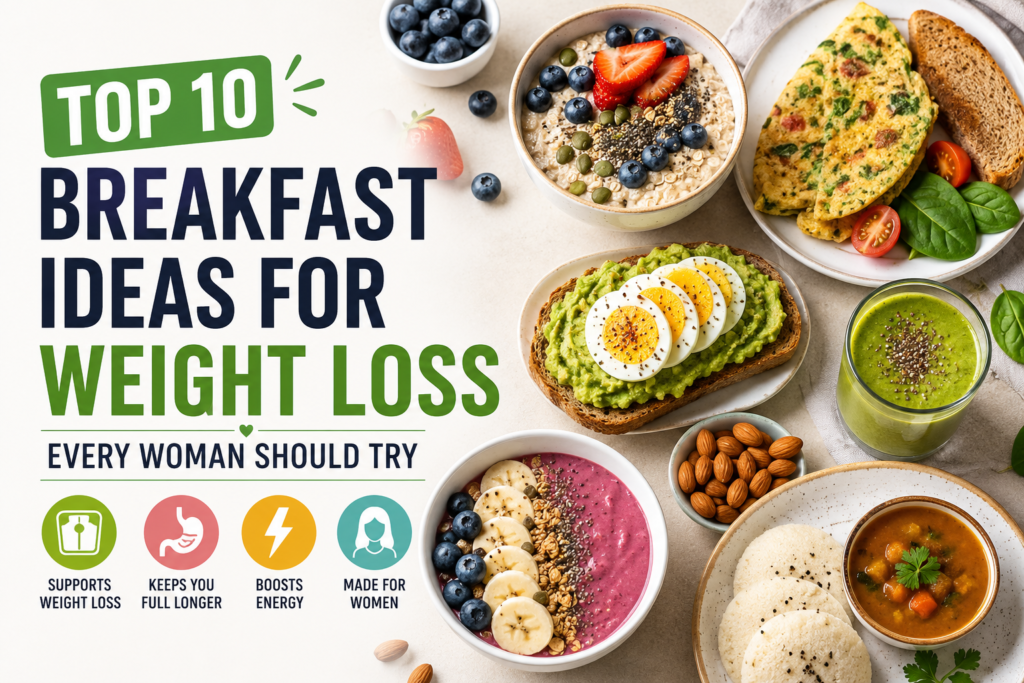
Breakfast
- Eggs
- Greek yogurt
- Oats with nuts
Lunch
- Paneer salad
- Lentils with rice
- Grilled chicken
Snacks
- Roasted chickpeas
- Cottage cheese
- Nuts
Dinner
- Fish
- Tofu stir-fry
- Quinoa bowls
Whole foods should always remain the foundation of a balanced diet.
Final Thoughts
Choosing whether to use protein supplements for women depends on your lifestyle, dietary habits, and fitness goals. Supplements are exactly what their name suggests: a supplement, not a replacement for nutritious meals.
Most women can meet their protein requirements through a balanced diet. However, busy schedules, higher activity levels, vegetarian diets, and age-related changes may make supplementation beneficial for some individuals.
If you’ve been searching for Do women need protein supplements? A complete guide, remember that there is no one-size-fits-all answer. Focus on meeting your daily protein needs through whole foods first and consider supplements only when necessary.
The goal is not to consume more protein than your body needs but to consistently provide your body with enough nutrients to support strength, energy, and long-term wellness.